For Athletes
Mindfulness for Sports Performance
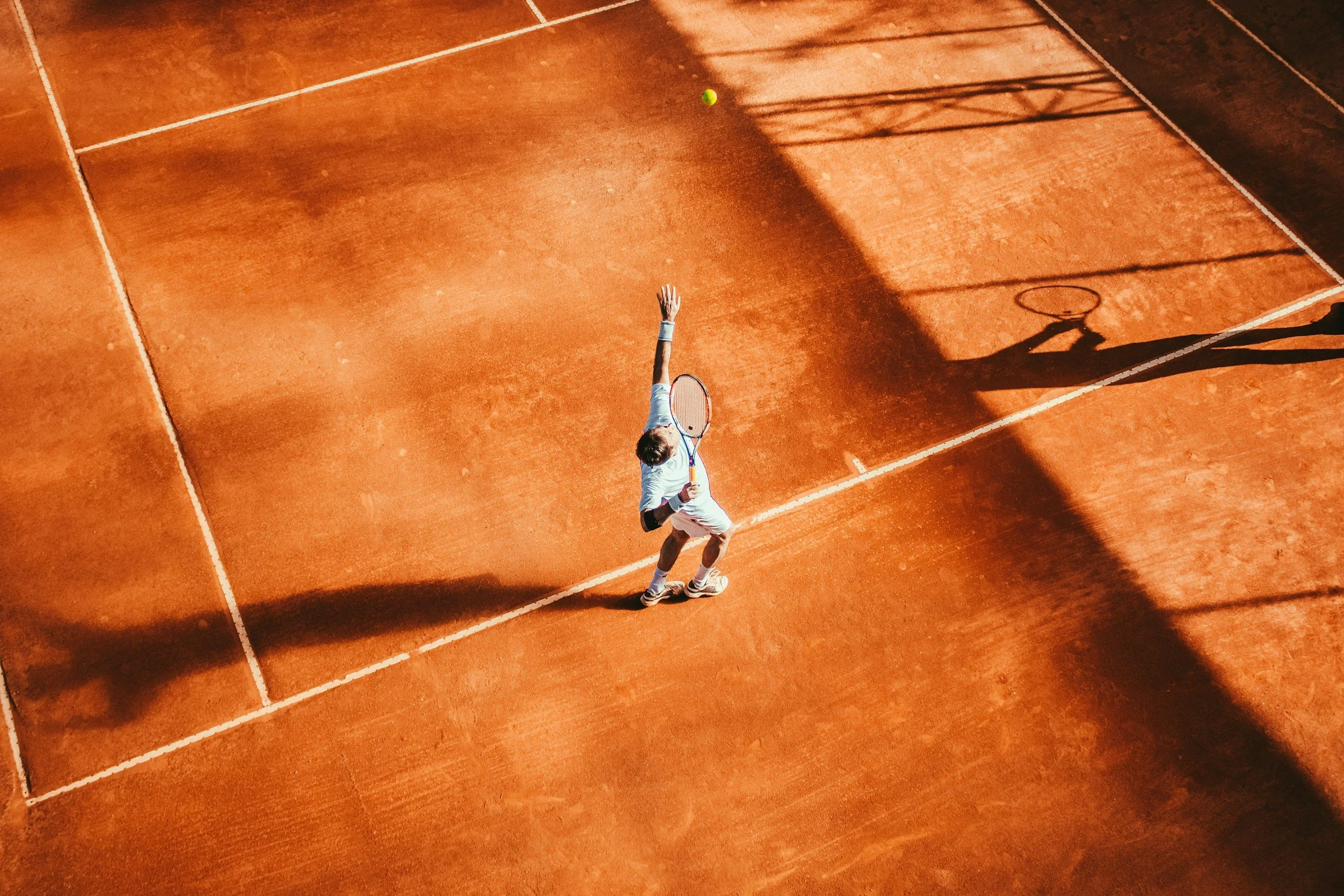
Peak performance is not only a matter of physical training — it is equally a matter of the mind. Mindfulness has become an integral part of elite sport, and for good reason: the ability to stay fully present under pressure, to recover quickly from mistakes, and to access a state of focused calm in decisive moments can make all the difference between potential and performance. Mental clarity, emotional regulation, and a stable inner anchor are not soft skills — they are competitive ones.
Through mindfulness training, athletes learn to sharpen concentration, reduce performance anxiety, and develop a more conscious relationship with their own body and mental states. Rather than being swept away by self-doubt, distraction, or the weight of expectation, they learn to notice these movements of the mind — and return to what matters: the next breath, the next movement, the next moment. This is the foundation of what is sometimes called the flow state — that quality of effortless, absorbed performance that every athlete knows and wants more of.
Whether you are a competitive athlete, a weekend warrior, or a coach working with a team, mindfulness training offers practical, evidence-based tools that translate directly onto the field, the court, or wherever you perform.
This includes esports.
Competitive gaming places its own specific demands on the mind: split-second decisions, hours of sustained cognitive load with little physical release, and the constant risk of tilt — the frustration spiral that turns one bad play into three. The same core skills that help a traditional athlete recover between points or reset after a mistake apply directly here: catching frustration before it takes over a match, staying focused through long sessions, and letting a bad round pass without it bleeding into the next one. If you compete in esports, this training is built for you as much as it is for any traditional athlete.
My Approach
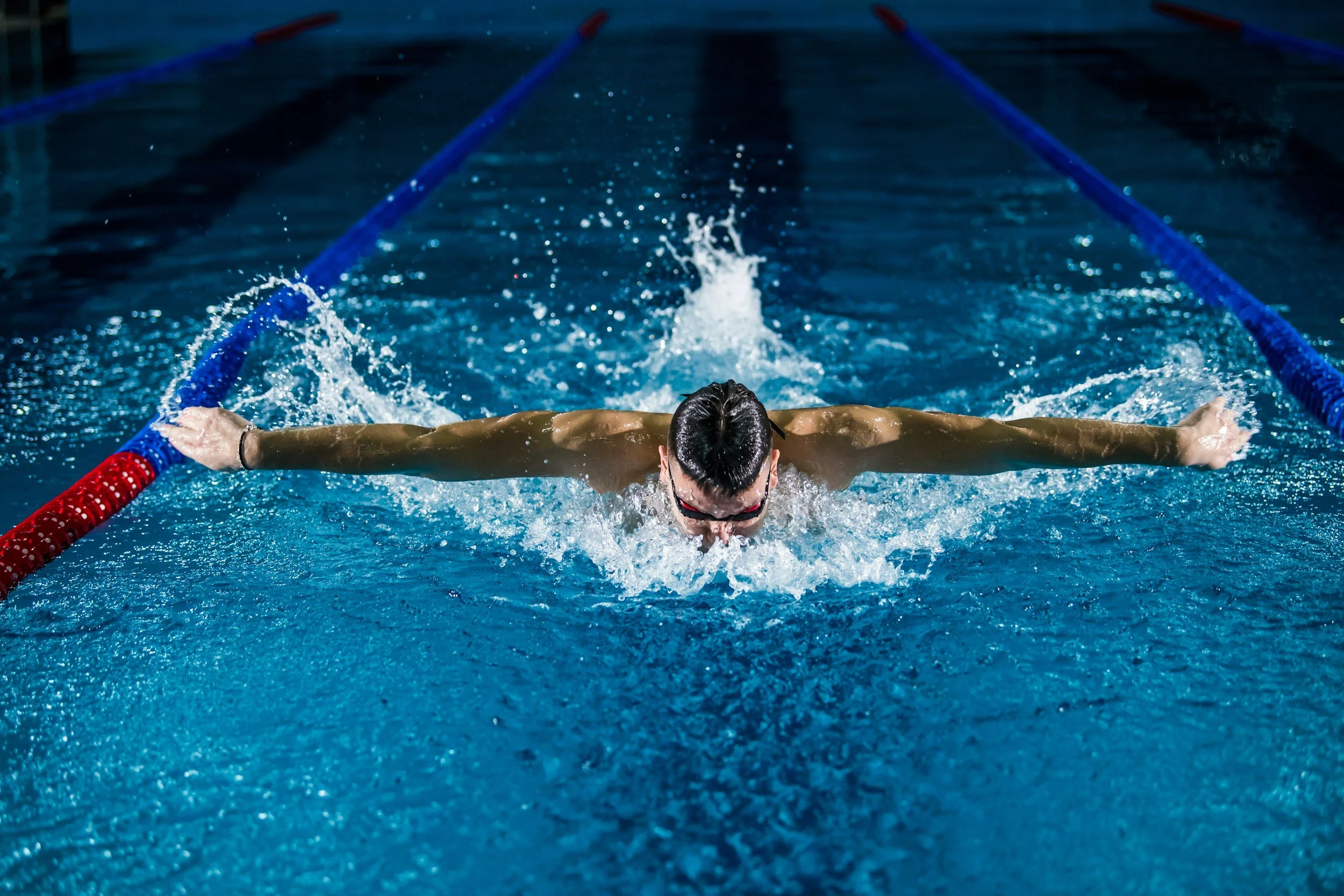
My work with athletes is rooted in a simple conviction: that the inner game is just as trainable as the outer one. I studied Sports Science at the German Sport University Cologne — one of the world's leading institutions in sport and human performance — which gave me a rigorous, evidence-based foundation for understanding how body and mind interact under the demands of competition and training. I teach mindfulness for athletes through the Unified Mindfulness framework: a system that breaks the mental side of performance down into precise, trainable skills rather than vague advice to "stay present" or "trust the process."
Three capacities sit at the center of this work. Concentration — the ability to direct and hold attention exactly where you choose, even as pressure mounts. Clarity — the ability to accurately read what's actually happening in your body and mind in real time, instead of reacting to assumptions or old patterns. Composure, technically equanimity — the capacity to let sensation, doubt, or discomfort move through you without being pulled off course. Trained together, these skills are what separate athletes who can access their ability under pressure from those who get in their own way.
My approach is not one-size-fits-all. Depending on where you are and what you need, our work together can range from focused Concentration-Clarity-Composure training to a broader exploration of the patterns, beliefs, and dynamics that may be holding you back. For athletes navigating more complex questions — about identity, transition, team dynamics, or the relationship between performance and self-worth — I draw on my background in systemic coaching to open up that deeper layer of work. But whatever the focus, mindfulness — trained as a set of precise, learnable skills — remains the thread running through everything.
What I offer is not a programme you follow — it is a process we shape together, built around your goals, your sport, and who you are as a person.